
The Concept of Luck in Gambling
Luck is often perceived as a mystical force that can sway outcomes in unpredictable ways. In the world of gambling, luck is frequently invoked when players experience unexpected wins or losses. Many believe that lady luck plays a significant role in games of chance, such as slots or roulette, where the outcome is purely random. For instance, a player betting on red or black in roulette may feel a sense of luck when the ball lands in their favor, especially when they explore australian betting sites that offer exciting betting options, making them believe that luck is indeed influencing their results. This perception can lead to a deep emotional connection with the game, as players often attribute their victories to good fortune.
However, the notion of luck can also be misleading. While it is true that random games rely on chance, the outcomes are also influenced by the structure of the game itself. For example, in blackjack, players can utilize strategy and skill, which can overshadow the element of luck. The cards dealt are random, but a knowledgeable player can increase their chances of winning through strategic decisions. This interplay between luck and skill makes it essential to understand how each factor contributes to gambling outcomes, as relying solely on luck can often result in disappointment.
Moreover, the psychological aspect of luck cannot be overlooked. Many players develop superstitions or rituals that they believe can enhance their luck. From carrying a lucky charm to wearing specific clothing, these behaviors underline the importance of mental state in gambling. The belief in luck can boost confidence, leading to more daring bets, but it can also foster an unrealistic perception, causing players to ignore the statistical realities of gambling. Understanding the duality of luck—both as a comforting belief and a potential pitfall—can help players navigate the complex landscape of gambling.
The Role of Probability in Gambling
Regardless of personal beliefs in luck, the reality of gambling is grounded in probability. Every game has odds that dictate the likelihood of various outcomes. For instance, in a standard deck of cards, the probability of drawing an Ace is 1 in 13. Understanding these odds is crucial for gamblers because it allows them to make informed decisions rather than relying solely on luck. Knowledge of probability can significantly alter a player’s approach to a game, leading to more strategic and potentially successful outcomes. Gamblers who take the time to learn the mathematical principles behind their favorite games often find themselves at a distinct advantage.
Additionally, the house edge is a fundamental concept in gambling that can overshadow the role of luck. The house edge represents the advantage that the casino holds over players, ensuring that, in the long run, it will make a profit. For example, in games like slots, the return-to-player (RTP) percentage informs players of their expected return based on the odds. If players are not aware of these numerical realities, they may attribute their losses to bad luck, rather than recognizing the inherent advantage given to the casino. This understanding can reshape the way players engage with gambling, prompting them to adopt more prudent strategies.

In light of these factors, skillful gamblers often focus on games where they can influence the outcome through strategy, such as poker or blackjack. In these games, while luck still plays a role in drawing cards or dealing chips, a deeper understanding of probabilities can help players mitigate losses and maximize gains. This balance between chance and skill culminates in a more nuanced view of how luck truly fits into the gambling equation, emphasizing the importance of education and strategy in achieving favorable outcomes.
The Influence of Game Types on Luck and Skill
The type of game being played can greatly influence the dynamics of luck and skill. Games like slots and roulette are primarily reliant on luck, as the outcomes are determined by random number generators or spinning wheels, respectively. In these scenarios, players are at the mercy of chance, and while strategies may exist for managing bankrolls, they do not change the fundamental randomness of the games. This doesn’t negate the fun and excitement of these games; rather, it underscores the thrill of taking chances with hope and anticipation. The unpredictable nature of these games can create an exhilarating atmosphere that draws players in.
Conversely, games that incorporate skill, such as poker or blackjack, provide a hybrid experience where players can impact their outcomes. In poker, for example, not only must players rely on the luck of the draw, but they must also employ strategic thinking, psychology, and risk management to outplay their opponents. This skillful element adds another layer to the gambling experience, suggesting that while luck is present, it is not the sole determinant of success. Players who master the art of bluffing or adjust their strategies based on opponents’ behavior can tip the scales in their favor.
This differentiation between game types encourages players to consider their own strengths and preferences. Those who enjoy mathematical challenges may gravitate towards games that allow skillful play, while others may relish the pure chance found in luck-driven games. Ultimately, the relationship between luck and skill varies widely across the gambling landscape, inviting players to explore where they feel most comfortable and successful. By understanding the characteristics of various games, players can make more informed choices about how to engage with their gambling experiences.
The Psychological Impact of Gambling and Luck
The psychology of gambling is as fascinating as the games themselves, significantly affecting how individuals perceive luck and make decisions. Players often experience a phenomenon known as the “gambler’s fallacy,” where they mistakenly believe that past outcomes influence future results. For example, if a player experiences several losses in a row, they might feel that a win is “due,” leading to riskier bets. This over-reliance on the concept of luck can cloud judgment, leading to losses that might have been avoided with a more analytical approach. Recognizing this fallacy is crucial for maintaining a clear perspective while gambling.
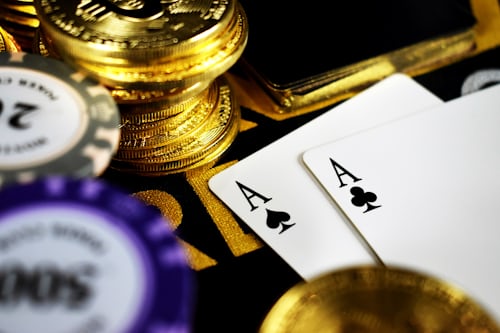
Moreover, the thrill of gambling can create a psychological high that reinforces the belief in luck. Winning, even if it is purely by chance, triggers a release of dopamine in the brain, creating a feeling of elation. This immediate gratification can lead to a desire to chase wins, fostering an illusion that luck is a reliable companion. Consequently, players may find themselves in a loop of betting based on emotion rather than strategy, which can have both financial and emotional repercussions. Understanding these psychological triggers can empower players to make more rational choices.
Understanding this psychological impact is essential for responsible gambling. Players are encouraged to maintain a healthy perspective on luck and outcomes, recognizing that while it plays a role, it should not be the sole basis for their gambling behavior. By setting limits, both in time and money spent, individuals can enjoy gambling as a form of entertainment while minimizing the risks associated with dependence on luck. Building a balanced mindset can enhance the enjoyment of gambling while reducing the likelihood of negative experiences.
Explore More About Gambling and Luck
For those intrigued by the complex interaction of luck and skill in gambling, there is a wealth of resources available to enhance understanding and enjoyment of various games. The exploration of probability, psychology, and game strategies can not only improve the gambling experience but also foster responsible playing habits. Websites dedicated to gambling education provide insights into different games, their odds, and effective strategies that players can adopt to enhance their chances of success. Such resources empower players to approach gambling with knowledge rather than blind faith in luck.
Many platforms also offer forums and communities where players can share experiences, strategies, and even luck-based anecdotes. Engaging with others who share similar interests allows for a richer understanding of the gambling landscape and provides communal support for responsible gambling practices. Such interactions can demystify the role of luck and equip players with the knowledge needed to approach gambling more strategically. By participating in these communities, players can cultivate a sense of camaraderie and exchange valuable insights.
In conclusion, while luck undeniably influences outcomes in gambling, its impact varies greatly depending on the type of game and the strategies employed. By recognizing the balance of luck and skill, players can approach gambling with a more informed mindset, leading to a more enjoyable and potentially successful experience. Whether for fun or for strategy, understanding the nuances of luck in gambling is an essential part of the journey. By embracing both the thrill of chance and the discipline of strategy, players can navigate the gambling world more effectively and responsibly.